A Vintage Rugby Player Design for Real Embroidery Projects
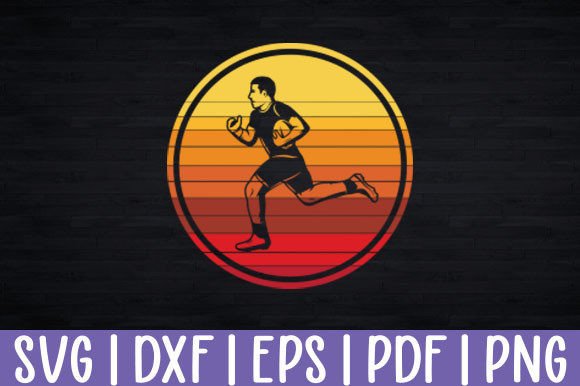
When you first see the Vintage Retro Rugby Player design, it immediately sets a mood. It’s not just a sports graphic; it feels like a nod to a classic era, with a playful, almost cartoonish charm that promises a friendly, approachable final product. The layout is bold, the shapes are clean and defined, and the personality is distinctly nostalgic yet funny. As an embroidery designer, my first thought isn't about the file format—it's about where this character belongs once it's stitched. This design naturally calls out for a project where personality is key: a custom gift, a boutique sweatshirt, or a statement piece for a small shop.
The First Impression: Where This Design Lives
The vintage aesthetic here is strong, but it’s softened by the humorous style. That’s a great combination for embroidery. It means the finished stitch work won’t feel overly serious or corporate. Instead, it’ll create a product with character. I picture this on a heavyweight cotton sweatshirt for a rugby fan, or appliquéd onto a canvas tote bag for a sports-loving customer. It has the visual weight to stand alone as a central motif, making it perfect for simple, impactful projects where the design itself is the hero.
Thinking Through Real Embroidery Situations
Let’s walk through a real scenario. Imagine you’re preparing a custom embroidered tote bag for a small business client who sells at local craft fairs. They want something unique for their line of sports-themed merchandise. The Vintage Retro Rugby Player comes to mind. Its bold outlines and clear shapes translate well into machine embroidery. The stitch density will be crucial here—on a textured fabric like canvas, a dense fill stitch in the main body of the player could look fantastic, but you’d need a good stabilizer to prevent puckering. The humorous detail, like the player's expression, will need careful attention in the smaller areas to keep the clarity high.
For apparel, like t-shirts or sweatshirts, this design offers strong visual appeal. On a dark fabric, you’d plan your thread colors for high contrast, perhaps using bright whites and bold colors for the vintage elements to make them pop. On baby clothes or a nursery decor item, like a blanket, scaling is key. The design’s charm would work well, but you’d likely reduce the overall size to fit the smaller garment and ensure the details remain clean without becoming too dense for a delicate fabric.
As a patch, this Vintage Retro Rugby Player could be exceptional. The clean borders and central figure make it ideal for a standalone embroidered patch to be applied to a cap, apron, or bag. For commercial embroidery projects, such as a run of pillow covers for a boutique, this design adds value through its unique theme. It’s not a generic logo; it’s a recognizable, giftable image that can enhance a handmade presentation and build customer trust in your shop’s curation.
Where to Use It—and Where to Be Careful
While the design is versatile, some applications require extra planning. On curved surfaces like caps, the larger, solid areas of the figure need to be tested for stitch integrity. Thin or stretchy fabrics, like certain t-shirt materials, demand the right stabilizer and potentially adjusted stitch settings to prevent distortion. The vintage style might include small decorative accents or lettering; these tiny details are beautiful but must be inspected in a test run on scrap fabric first to ensure your machine and chosen thread can render them clearly.
Also, consider products that need frequent washing, like kitchen towels or adult apparel. A design with substantial fill stitch areas needs to be stitched securely to endure laundry. For digital product sellers creating printable mockups or design assets, the clean lines of the Vintage Retro Rugby Player make it a strong base for presentation, but always confirm the licensing terms for such use before selling the finished digital product or the embroidered item itself.
Practical Notes for the Embroidery Designer
Before you hoop your final project fabric, hoop some scrap. Test the Vintage Retro Rugby Player design on both a light and a dark background piece. This reveals how the thread colors interact and whether any stitch density issues arise on your specific material. Check the small details, like any facial features or equipment lines, to ensure they’ll be distinct. Always use a stabilizer appropriate for your target fabric—this is non-negotiable for maintaining the design’s crisp, vintage look.
For business use, whether you’re an Etsy seller preparing a holiday gift line or a small shop owner adding to your merchandise, this design can boost brand consistency if your niche is sports or nostalgic themes. Its professional, finished look on a product increases buyer engagement. However, the final step is always to confirm the specifics: the compatible hoop size for your machine, the exact file formats included, and the license for commercial use of the finished product. Don’t assume; check the provided information.
How It Affects Your Finished Product
When stitched well, this design elevates a simple item. An embroidered sweatshirt becomes a conversation piece. A personalized gift for a rugby enthusiast feels thoughtful and custom. For a craft business, it turns a basic tote into specialty merchandise. The visual appeal comes from its strong, friendly personality, which stitching faithfully replicates. The clarity of the satin stitches or fill stitches in the main elements contributes directly to the perceived value and handmade quality of the final piece.
In the end, the Vintage Retro Rugby Player is more than a graphics file. It’s a potential centerpiece for a wide range of embroidery projects, from personal gifts to commercial assets. Its success hinges on your practical embroidery skills: testing, stabilizing, and matching it to the right product. With that care, it becomes a reliable, charming design asset for your next project.