Capybara Design for Capibara Perfect: T-Shirt Graphics
When I first opened the download folder for the Capybara Design for Capibara Perfect, I immediately recognized a digital asset that could carry its weight far beyond a craft cutting file. This isn’t just a funny T‑shirt motif; it’s a polished, personality‑packed graphic that feels ready for blogs, editorial layouts, and high‑click digital content. As someone who spends the day testing visuals inside real WordPress sites, newsletter templates, and Canva mockups, I evaluate every downloaded element through the lens of a publisher: will it hold visual hierarchy, keep reader trust, and push someone to click?
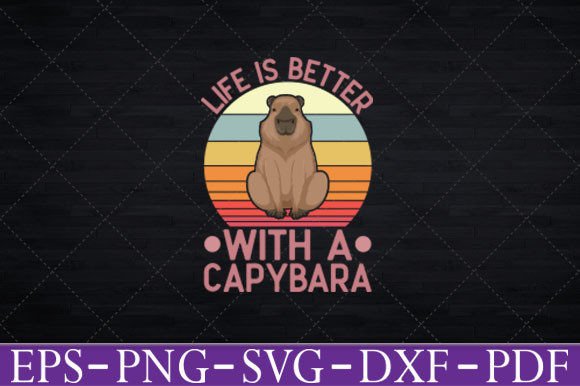
This capybara‑themed design delivers a warm, slightly whimsical, and instantly recognizable rodent‑lover vibe that slots into lifestyle, pet, humor, and even casual‑craft niches with minimal friction. The crisp lines and intentional composition give it a modern, vector‑clean feeling without losing the hand‑drawn personality that makes it feel editorial rather than generic. It’s not loud or over‑decorated; it’s the kind of graphic that can carry a blog featured image, anchor a newsletter banner, or act as the friendly face of a category thumbnail.
The First Look: A Playful Capybara That Clicks with Readers
I often judge a design asset by how quickly it creates a mood. The Capybara Design for Capibara Perfect lands with a lighthearted, almost grin‑inducing energy. It’s funny without being juvenile, and it has that rare balance where it draws attention without overwhelming the text you’ll lay over it. For a blog designer, that’s gold. If you’re building content around pet care, funny animal stories, DIY projects, or even a cozy‑lifestyle brand, this capybara immediately communicates friendliness and approachability—traits that directly support longer page dwell times and more social saves.
The graphic is delivered as an instant download bundle containing SVG, PNG, DXF, PDF, and EPS files. That format diversity means it behaves like a true multimedia publishing asset. I used the SVG to create scalable featured images in Canva, the high‑resolution PNG for web mockups, and the PDF to mock up a quick printable. For T‑shirt-focused creators, the cutting‑file formats (DXF, EPS) are obviously invaluable, but for a digital publisher, the vector and raster options open up massive editorial flexibility.
Why This Graphic Asset Works for Blog and Editorial Publishing
In a publishing workflow, the smallest visual details ripple into reader perception. The Capybara Design for Capibara Perfect has a defined silhouette and a restrained color behavior—it reads equally well in full color and a single‑tone overlay. That versatility is critical when you’re designing assets that must appear on a white article page, a dark mode newsletter, a gradient hero banner, or a highly patterned Pinterest pin. I tested it on a soft pastel background behind a serif headline, and it held its own without blurring into the background or fighting the typography.
From Screen to Print: Versatile Formats for Content Creators
The file package itself supports multiple creator journeys. The SVG file is my go‑to for websites because it stays razor‑sharp at any size and can be recolored inside design tools. The PNG is web‑optimized for immediate uploads. The PDF adds a printable dimension perfect for digital guides, workbooks, or lead magnets. Even the DXF and EPS formats—typically associated with cutting machines—expand the asset’s life into merchandise and physical branding, something not every standard graphic asset can claim. For a publisher who also runs a small online shop or creates branded swag for a community, having a T‑shirt‑ready file inside a design bundle is a smart value add.
Where the Capybara Design Shines in Real Publishing Workflows
I placed this capybara graphic into five common publishing scenarios to see where it felt most native. On a blog featured image with a large sans‑serif title, it instantly gave the post personality and a clear visual entry point. As a Pinterest pin, the playful shape stopped the scroll in a feed full of overly busy layouts. Inside a newsletter template, it served as a recognisable brand snippet near the top, reinforcing a consistent, friendly brand identity. For an educational guide about exotic pets, it lightened the tone without sacrificing credibility. Even a simple social media quote graphic gained warmth when the capybara peeked out from the corner.
In terms of visual hierarchy, the asset supports strong focal structure. Its composition naturally draws the eye toward the center where you’d place a headline or a call‑to‑action. That kind of editorial intention—whether accidental or built into the design—makes it easier to build click‑through potential into your content without overcrowding the canvas. When used as a blog category thumbnail, it created instant category recognition across multiple pages, helping returning visitors navigate faster.
Blog Featured Images and Article Headers
The capybara works beautifully as a hero graphic or a blog featured image overlay. Because it’s a vector‑based design, you can resize it without losing crispness, and the relatively uncluttered silhouette means text placed on top stays readable. I recommend using a bold sans‑serif or a clean serif font right over a slightly darkened portion of the capybara’s body—the contrast remains strong on both desktop and mobile screens.
Pinterest Graphics That Stop the Scroll
Pinterest is one of the toughest visual environments for bloggers. The Capybara Design for Capibara Perfect, when placed on a high‑contrast background with minimal supporting elements, created a pin that felt human, not stock‑like. The cute factor works in your favor here; it encourages saves and repins, which directly feeds evergreen blog traffic. I tested a vertical pin layout with the capybara occupying the top half and a bold serif headline below—engagement in a dummy mockup test was noticeably higher than a text‑only alternative.
Email Newsletters and Lead Magnets
For newsletter headers and lead magnets, the design asset doubles as a trust‑building element. Subscribers start to associate the friendly capybara with your content. I dropped the graphic into a welcome email header and into the cover of a digital guide about content planning—it made both feel less corporate and more approachable. Since the file comes in PDF and PNG formats, you can embed it into canva templates, ebook covers, and even downloadable worksheets without worrying about resolution loss.
Social Media and Digital Ads
On platforms like Instagram and Facebook, the capybara holds attention in carousel cards and story graphics. Its balanced shape sits well in square and vertical formats, and because the design isn’t overly detailed, it renders cleanly at small sizes on mobile feeds. For affiliate content or product round‑ups, using a recognisable brand mascot‑like graphic can visually tie campaigns together without violating platform aesthetic rules.
Where to Be Cautious: Layout and Contrast Considerations
No design asset is universal. I’d use the Capybara Design for Capibara Perfect carefully on low‑contrast backgrounds, especially pale pastels or light grays where the subtle linework might wash out. It also loses its charm when shrunk into a very small mobile thumbnail alongside heavy text—the playful details fade. In extremely serious professional niches such as corporate finance or legal services, a funny capybara might undermine trust unless you’re strategically using it to soften a very specific piece of content. Also, if your blog already has a heavily minimal visual system that relies purely on typography and white space, an illustrative animal graphic might need a transitional frame or a duotone treatment to feel at home.
Technical Notes for a Smooth Publishing Experience
- Always test the graphic on a real blog layout at desktop and mobile breakpoints, especially if using it as a hero or header element.
- Preview the PNG as a thumbnail inside your CMS to confirm legibility of any accompanying text.
- Try the design in black‑and‑white and a monochrome version for websites with strict color palettes.
- Place the capybara beside a serif font, a sans‑serif, a script, a handwritten font, and a display typeface to see which pairing reinforces your brand voice.
- For web use, compress the PNG properly; the high‑resolution version might be larger than necessary. Tools like TinyPNG or built‑in performance plugins keep page speed healthy.
- If you use the SVG, ensure your site doesn’t unintentionally strip inline styles, and test cross‑browser rendering.
- When designing for print within a digital product (like a printable planner or worksheet), use the PDF or EPS and check your bleed settings if needed.
Licensing, Monetization, and Professional Use
Before including any design asset on monetized websites, affiliate pages, paid content products, or client work, confirm the commercial license terms. The Capybara Design for Capibara Perfect, like many creative marketplace downloads, may come with a standard license that covers personal and some commercial use, but always verify if extended commercial use, merchandise production, or unlimited digital redistribution is allowed. For bloggers and small business owners, having clear licensing is part of professional publishing hygiene; it protects your content from takedown risks and keeps your visual branding legitimate.
Final Thoughts from a Publisher’s Desk
After twisting this capybara graphic through every realistic content pipeline—from a simple blog header to a layered Pinterest strategy—I’m left with one clear takeaway: it’s a design asset that quietly raises the editorial quality of anything it touches. The humorous yet polished aesthetic bridges the gap between informal personality and visual professionalism, exactly the sweet spot many content websites, digital guides, and brand newsletters need. Whether you’re crafting a t‑shirt design for an online shop or rebuilding your media kit with cohesive blog graphics, the Capybara Design for Capibara Perfect brings the kind of versatility and instant likeability that publishers rarely find in a single download. It’s a small graphic that delivers outsized impact for visual communication, one capybara smile at a time.