Rugby T-Shirt Funny Svg: Graphics & T-Shirt Designs
A few weeks back, while curating a fresh batch of sport‑themed digital assets for my Etsy shop’s summer collection, I stumbled upon the Rugby T-Shirt Funny Svg. As someone who sells printable designs to crafters, print‑on‑demand sellers, and t‑shirt entrepreneurs, I’m always hunting for files that do more than just look good on screen. This particular package promised a blend of humour and sporty appeal—something I could immediately picture on mugs, tees, and maybe even a cheeky greeting card. But before adding it to my library, I needed to test it from every angle a seasoned seller would consider.
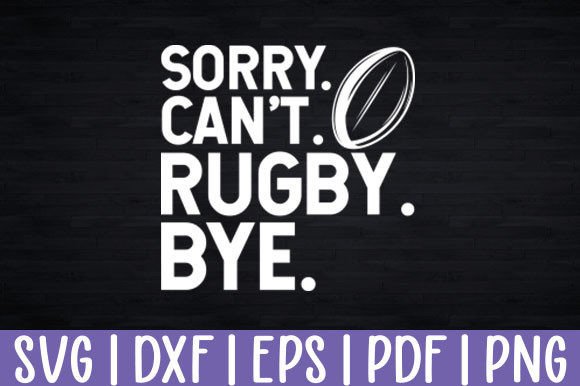
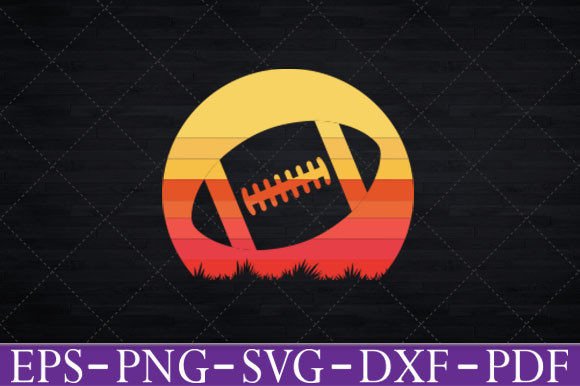
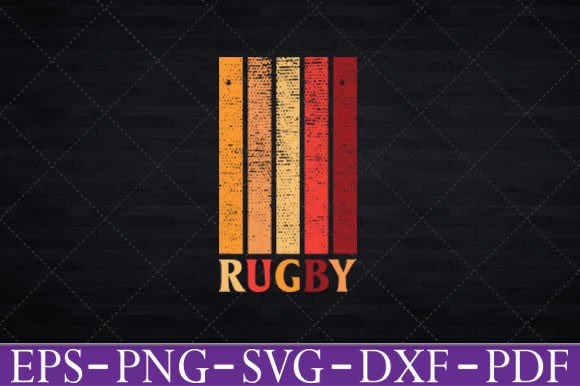
The design itself plays into a niche that blends sports culture with playful sarcasm. It features a rugby ball motif paired with a bold, witty phrase—the sort of graphic that gets a chuckle at a pub or a tailgate party. Visually, it leans toward a sturdy, slightly rugged personality, not overly cutesy, which means it appeals more to adults, especially rugby fans, dads, and team supporters. The mood isn’t elegant or minimal; it’s unapologetically funny and direct, a trait that works wonders for casual merchandise and gift items. When I first opened the files, the graphic design asset gave off a confident, no‑fuss energy—exactly what I look for in a commercial design that needs to sell itself in a crowded creative marketplace.
Unpacking the Files and First Impressions
The download came as an instant bundle containing SVG, PNG, DXF, PDF, and EPS formats. Right away, this multi‑format approach tells me the creator understands how digital sellers operate. A SVG design feeds the Cricut and Silhouette crowd, while a crisp PNG design with transparency is the backbone of print‑on‑demand mockups. The included PDF and EPS are bonuses that cater to anyone working with printable wall art or commercial printing. Having all these in one package instantly raises the perceived value for buyers—and it saves me from having to source or convert files separately. The SVG loaded cleanly into my software, and the PNG showed solid resolution, though I always double‑check dimensions before trusting any source.
When I dropped the Rugby T-Shirt Funny Svg onto a plain white canvas, its personality became obvious. The lettering was thick enough to hold up at t‑shirt size, and the rugby ball graphic didn’t have overly intricate details that could become problematic during a vinyl cut. This first glance told me the asset would perform well across a range of products, but I needed to push it further—real mockups, different background colours, and a genuine cut test—before I could confidently build listings around it.
Where This Asset Shines in a Digital Product Shop
After a round of mockup trials, I mapped out exactly where the design would give the strongest return. Here’s what that looked like in my testing:
- T‑shirt graphics – both direct‑to‑garment printing and heat transfer vinyl. The high‑contrast layout worked especially well on heather grey and navy blanks, where white ink or vinyl popped without getting lost.
- Mugs and drinkware – sublimating the PNG design onto a ceramic mug turned the funny quote into a perfect Father’s Day gift. I could also see it on a pint glass or a travel tumbler.
- Tote bags and gym sacks – a quick HTV press onto a canvas tote gave it an instant “man cave” vibe, ideal for rugby club fundraisers or team merchandise.
- Printable wall art – scaling the PDF up to A4 and framing it as a light‑hearted print for a sports‑themed office or bar area added a low‑effort, high‑margin product to my lineup.
- Sticker sets – the PNG worked nicely for a kiss‑cut sticker sheet, though I had to size it above 3 inches to keep the text legible.
- Social media graphics – as a quick promotional visual, the asset added a cohesive, sporty feel to my shop’s Instagram posts and Etsy listing images.
In every case, the Rugby T-Shirt Funny Svg carried an authentic, home‑team energy that felt genuine rather than forced. It didn’t pretend to be something it wasn’t, and that honesty made it a solid building block for multiple product types. I could already see it becoming part of a seasonal sports bundle or a Father’s Day digital download collection, which would raise average order value and keep my shop looking cohesive.
Testing the Design on Real Mockups and Machines
One of my first rules as a seller is to never trust a file until I’ve run it through the exact workflow a customer might use. So I took the Rugby T-Shirt Funny Svg and created a photorealistic t‑shirt mockup in both light and dark colourways. On a white tee, the design’s black typography was crisp and instantly readable. On a charcoal hoodie mockup, I had to flip the design to white—something easily done with the SVG layer—and the result was a classic sports graphic that would catch the eye in an Etsy search grid. The visual hierarchy held up well, even when the thumbnail was shrunk to mobile size, which is crucial for click‑through potential.
Cutting Machine Compatibility
Next, I opened the SVG in Cricut Design Space to see how it would behave for crafters. The cut lines were clean and mostly straightforward, with no stray nodes or broken paths. The rugby ball element had a few moderate curves, but nothing that a well‑tuned machine couldn’t handle. I always recommend doing a test cut on scrap vinyl before committing to an expensive blank, and with this design the sections that matter most—the text—were thick and sturdy. For Silhouette users, the DXF file offered the same reliable structure. If I were planning to sell this as part of a SVG design bundle aimed at Cricut beginners, I’d add a quick note about using a strong‑grip mat and weeding carefully around small letter counters, but overall the cutting experience was painless.
Print‑on‑Demand and Sublimation Trials
When I uploaded the PNG to a print‑on‑demand platform, the transparent background behaved exactly as expected. I test‑printed a sample at 12 inches across on a cotton tee, and the blacks were rich, the edges sharp. For sublimation, I mirrored the image, printed it on sublimation paper, and pressed it onto a mug. The transferred result retained every bit of the humour, with no colour shift or bleeding. One thing I’d caution: if you’re offering this as a digital product for sublimation, double‑check that the PNG is set to at least 300 DPI at the intended print size. The file I received passed that test, but always measure rather than assume.
The Cautionary Checklist: When to Hold Back
Even a solid graphic design asset has its limits. Through testing, I noted a few scenarios where the Rugby T-Shirt Funny Svg needs a careful hand:
- Tiny stickers and decals – below 2 inches, the witty phrase became hard to read, and fine details in the rugby ball started to fill in. If a sticker design is the goal, consider isolating just the ball icon or scaling up substantially.
- Low‑contrast backgrounds – placing the black version on a dark, busy background killed visibility. It’s a quick fix—swap to white or add a subtle outline—but something to watch when creating listing images or if a customer doesn’t adjust the design.
- Over‑complex layouts – layering this asset over a heavily patterned digital paper or a cluttered template made the message fight for attention. I found it works best as a standalone focal point, not buried in a collage.
- Thin specialty fonts – while the existing text is robust, if you modify the phrase and pair it with a delicate script or thin serif, the cutting quality may suffer. Stick to bold sans‑serifs or blocky display fonts for any customization.
- Laser engraving with the DXF – the file opened fine, but I always run a quick node‑edit pass to ensure there are no open contours, especially where the ball and text intersect. A small check prevents wasted material.
These aren’t deal‑breakers; they’re just the realities of working with cutting files. Knowing them ahead of time lets a seller provide better instructions and avoid customer complaints—something that builds trust and repeat purchases.
Turning One Graphic into a Collection Builder
I rarely list a one‑off design these days. The Rugby T-Shirt Funny Svg became the anchor for a mini‑bundle I’m building around rugby culture. By pairing it with two other original sport‑themed sayings I created—one more aggressive, one purely playful—I turned a single asset into a value pack. This approach not only raises the average order value but also makes the listing more attractive in a saturated creative marketplace like Etsy or Creative Fabrica. A quick trick I use is to create a matching PNG clipart set with the same rugby ball icon in different colourways, which then becomes a separate upsell or a layer in a Canva template.
From a branding standpoint, I’ve kept the surrounding mockup styling consistent: wood textures, craft paper backgrounds, and a clean sans‑serif font for the price overlay. That consistency makes my shop feel intentional, not a haphazard collection of random SVGs. The Rugby T-Shirt Funny Svg fit right into that visual story, particularly because its bold lines echoed the no‑nonsense vibe of my other masculine‑leaning products. If I were to expand further, I’d add a sublimation‑ready tumbler wrap version and a greeting card template, all starting from this same core graphic.
Practical Seller Moves I Always Make
Before hitting publish, I run through a mental checklist that has saved me countless revision headaches. For this asset, I made sure:
- File organisation was simple but descriptive. No “Final_Final_v2” names. I renamed the files to something like “Rugby-Funny-SVG.svg” and “Rugby-Funny-PNG.png” so a buyer can immediately understand what’s inside.
- A small commercial license note was included in the download. Even though the original listing said commercial use is possible, I always clarify that selling physical products is allowed, but reselling the digital file as‑is is not. That protects my buyers and me.
- I tested the PNG design on both a white and a dark product mockup, adjusting the contrast until it looked bright but not unnatural. That single step dramatically improves click‑through rates because customers can instantly visualize the product in their own life.
- The SVG cut quality was inspected after weeding a test cut. No annoying tiny islands or broken letters. It weeded clean in under three minutes, which is a huge selling point for crafters who value their time.
- I prepared a quick style guide pairing the design with a sans‑serif font (for subtext) and a modern script font (for a softer accent). This wasn’t necessary for the base asset, but it means I can quickly spin up a complete shirt mockup when a customer asks for a custom colour or added name.
Finally, I verified the resolution of every exported file. The PNG came in at a generous 3600 x 3600 pixels, more than enough for most t‑shirt prints. The PDF and EPS scaled without any quality loss, so I could confidently offer it as a printable design for larger format items like posters.
All of this groundwork means that when I finally list a product using the Rugby T-Shirt Funny Svg, I’m not just throwing a graphic onto a mockup. I’m offering a thoroughly tested, seller‑ready piece of inventory that can slide into a handmade business, a print‑on‑demand store, or a digital download shop with minimal friction.