Smile Your on Camera: A Designer's Practical Take
I've spent years testing digital assets before they ever touch a needle, and I always ask the same question: will this actually look good when stitched out on a real product? Some designs grab attention on a screen but lose their magic when translated into thread. Others surprise me. As I unwrap the layers of Smile Your on Camera, I can already picture it on a soft cotton tote bag handed to a photographer friend. The cheeky warning feels right for a lens-facing crowd, but my designer brain immediately starts evaluating stitch paths and tension risks. This isn't just a graphic. It's a potential bestseller for the right maker audience, provided you understand its quirks first.
What the Design Instantly Communicates
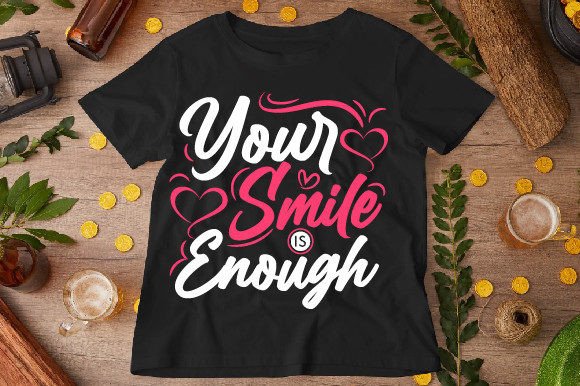
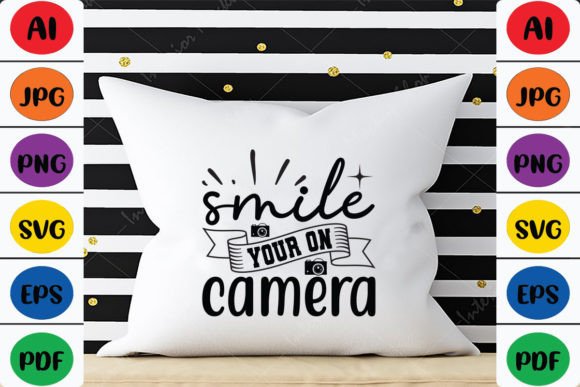
The first thing that hits me is the playful, slightly sarcastic tone. Smile Your on Camera reads like a friendly nudge from behind the lens. The layout is bold, with lettering that wants to be noticed. I see clean strokes, a balanced mix of thick and thin elements, and a clever arrangement that would translate well into a satin stitch heavy embroidery composition. If you're building a collection around humor, creativity, or photography themes, this design fits squarely into that niche. It feels less like a corporate slogan and more like a handmade marketplace gem.
As a graphic asset category listed under T-Shirt Designs, you're getting editable vector files, not a pre-digitized embroidery file. That means you'll need to take the PNG, SVG, or EPS source and have it manually digitized (or do it yourself) before your machine can stitch it. For crafters who sell printable mockups, the included JPG and transparent PNG are a quick win for showcasing how your finished product could look. But as an embroidery product reviewer, I'm laser-focused on the physical stitchout potential.
A Tote Bag for a Photographer
Last week, a client asked for a custom tote bag for her husband, a wedding photographer. She wanted something witty but not childish. I immediately thought of Smile Your on Camera. I mentally mapped it onto a 12x15 inch natural canvas tote. The bold text would center perfectly, allowing a generous border for visual breathing room. With a dark charcoal thread against cream fabric, the contrast would be sharp enough for the funny message to read from across a room. I could already see him lugging gear to a shoot, and the bag soliciting the exact smile the design itself demands.
Sweatshirts, Patches, and Everyday Wear
Beyond tote bags, this design has a versatile build. Picture it embroidered on the left chest of a unisex crewneck sweatshirt. The size needs to shrink just right for a subtle, conversational start rather than a shout. On a structured cap, the curved surface could challenge the straight text alignment, so a patch version might work better. I can also see solo makers converting it into a sew-on patch for jean jackets, a trendy add-on for younger buyers. Even kitchen tea towels gain a quirky edge when you stitch a reminder to smile for every coffee sip. For baby onesies, it's a hilarious gift for photographer parents, though you'll want to scale way down and simplify any intricate parts to prevent heavy stitching that irritates delicate skin.
Fabric and Stabilizer Choices
Let me get into the nitty-gritty. Since Smile Your on Camera relies heavily on text, fabric stability is critical. Stretchy t-shirt cotton will ripple unless you use a firm cut-away stabilizer and temporary adhesive spray. Thin polyester blends can pucker under dense satin stitch; I'd opt for a fill stitch conversion on lightweight fabrics instead. Dark backgrounds are always a risk if you haven't tested thread thickness. A bright white thread on black might sink into the weave, losing detail. I always stitch a small test section on identical scrap material before committing to a full run.
Scaling for Different Hoop Sizes
Hoop size dictates where this design can go. The original graphic likely has generous dimensions, but embroidery machines have limits. On a 4x4 inch hoop, the text might become too fine and lose that chunky, readable quality. I'd set 5x7 inches as the minimum to keep the personality intact. For smaller items like baby beanies or wrist cuffs, you'd need to selectively simplify: maybe just keep the key words and drop detailed flourishes. The beauty of having editable source files (SVG, AI, EPS) is you can manually adjust anchor points before digitizing. This flexibility makes Smile Your on Camera more usable than a flattened raster image.
How It Boosts a Handmade Brand
When customers scroll through Etsy or craft fair tables, they stop for personality. Smile Your on Camera injects instant relatability. Someone who buys a personalized gift with this design isn't just getting a product; they're sharing an inside joke. That emotional hook justifies higher pricing for finished goods. I've found that humor-driven embroidery sells well for bachelorette party favors, photography studio merchandise, and even vlogger swag. As a small business owner, offering this design on multiple product styles (a hoodie, a throw pillow, a canvas pouch) creates a cohesive collection that builds brand trust. The included PNG mockups let you test visuals without actually stitching a single item, which is a huge time saver for product photography planning.
Thread, Color, and Contrast Checks
After digitizing, I never trust the screen. My first step is always a stitch-out on medium-weight cotton with a middle-of-the-road thread color, usually a steel gray, to evaluate pure stitch formation. Then I test extreme contrasts: neon lime on navy, stark white on chocolate brown. Light-colored threads can look thin on dark fabrics if the stitch density isn't bumped up. I also flip the design into a grayscale mockup to identify areas where tone will blur together. For Smile Your on Camera, the lettering connections need careful scrutiny; letters that touch must be separated clearly in the digitizing file or you risk a messy blob. Always test on scrap fabric first before moving to your final product.
Licensing and Selling Finished Goods
A crucial note: before you stitch this onto anything you intend to sell, verify the commercial terms. The product description mentions editable source files and mockups, but does not specify a blanket commercial embroidery license. As a digital product seller, you must confirm whether the included license allows you to sell garments, tote bags, or patches with the physical embroidery applied. Some graphic purchasers only permit personal use. Contact the seller or visit the original product page if anything is unclear. I've seen too many makers assume perpetual commercial rights and then face takedowns. Protect your small shop by reading the fine print.
All in all, Smile Your on Camera brings a spirited, camera-ready attitude that translates beautifully into the embroidery world when you respect its structural needs. It fills a niche for photography lovers, humorous gift givers, and anyone who wants their product to start a conversation. With careful digitizing, smart fabric choices, and a few test runs, this design can elevate your handmade lineup and charm customers instantly. That's the kind of asset worth smiling about.