Vintage Cat T-Shirt Design: Graphics & T-Shirt Designs
First Impressions and the Retro Mood It Creates
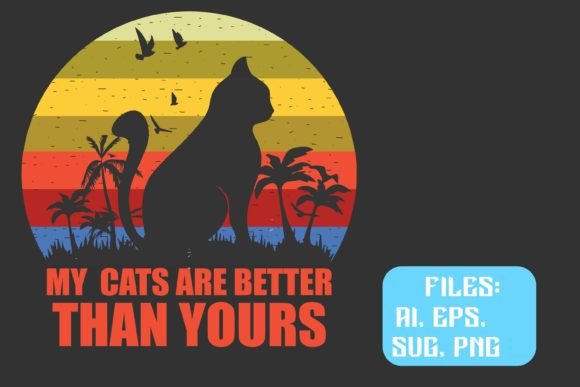
When I first opened the Vintage Cat T-shirt Design file, the immediate reaction was a sense of warmth mixed with playful nostalgia. The artwork carries a hand-drawn charm that feels deliberately imperfect in the best possible way. As a brand designer who has reviewed hundreds of graphic design assets across creative marketplaces, I can tell when an illustration has that rare quality of looking both intentional and effortless. This design asset lands somewhere between a vintage postcard illustration and a modern tattoo flash sheet. The retro character gives it versatility that clean vector illustrations sometimes lack. It does not scream for attention, but it absolutely holds it once someone glances at the composition.
The cat itself has personality. Whether you are a small business owner selling handmade products or a content marketer building a new campaign visual, the first thing you notice is how the art communicates without words. That is exactly what a strong creative design should do. The retro treatment softens the overall aesthetic and makes it feel approachable rather than polished to the point of feeling sterile. For brands that want to communicate authenticity, warmth, or a connection to handmade culture, this is the right starting point.
How This Graphic Design Asset Shapes Audience Perception
Audience perception is built in milliseconds. The Vintage Cat T-shirt Design creates an emotional tone that leans into comfort, whimsy, and a subtle sense of humor. It does not feel corporate. It does not feel mass-produced. The retro art style triggers a sense of familiarity that works beautifully for lifestyle brands, pet-centric businesses, bookshops, coffee roasters, and any small business branding that wants to feel human. When I test design assets like this inside real campaign mockups, I look for whether the artwork invites the viewer to pause or simply blends into the noise. This one pauses the scroll.
From a content marketing perspective, the emotional response this illustration triggers is valuable. It can make a brand feel more relatable without sacrificing professionalism. For social media graphics, especially Instagram posts and Pinterest pins, relatability often outperforms perfection. The Vintage Cat T-shirt Design supports that dynamic. It helps the brand communicate with charm rather than sales pressure, which is precisely what builds audience trust over time.
A Real Campaign Scenario for Small Business Branding
Let me frame this around a real marketing project. Imagine a small online boutique launching a seasonal collection of cozy apparel and accessories. The brand needs fresh marketing visuals for a week-long promotion across Instagram, Facebook ads, and email banners. The campaign theme revolves around comfort, nostalgia, and slow living. The owner also wants to create printable promotions to include in shipped orders and a Canva template for affiliate partners to use. The Vintage Cat T-shirt Design fits this workflow naturally. It can sit as the hero graphic on a campaign header, become a decorative accent on product labels, or add personality to a thank-you card inserted into packaging.
In this scenario, the design asset is not just decoration. It becomes part of the visual storytelling system. When I build content kits for clients, I look for artwork that can travel across formats without losing its identity. This illustration holds up on a mug mockup, a tote bag, a book cover, a canvas print, and even a small sticker sheet. For digital sellers and product creators who package design bundles, having a single strong illustration that works across sublimation products, scrapbook layouts, and frame artwork is a practical advantage.
Where Vintage Cat T-shirt Design Performs Best in Marketing Visuals
This graphic design asset excels in environments where personality matters more than rigid structure. Here are the formats where I have seen similar retro illustrations deliver the strongest results for clients and content creators:
- Hero graphics on landing pages or campaign headers where the art sets the emotional tone before any headline is read
- Pinterest pins where vintage aesthetics consistently outperform overly sleek stock photography
- Social media covers for Facebook or Etsy shops that want instant brand recognition
- Packaging accents on boxes, tissue paper inserts, or hang tags for handmade products
- Editorial design elements inside blog graphics, digital magazines, or lead magnets
- Canva templates offered as part of a content bundle or media kit
- Printable promotions including event flyers, posters, and postcard mailers
- Merchandise designs beyond t-shirts, such as hoodies, pillows, bags, and mugs
What ties all these use cases together is the need for a visual that feels curated rather than generic. The Vintage Cat T-shirt Design brings that curated energy. It helps the final output look like something a designer intentionally chose, not something pulled from a random clipart folder.
Marketing Goals This Creative Design Can Support
Every design asset chosen for a campaign should directly or indirectly support a marketing goal. Based on my experience running brand audits and content strategy sessions, here is how the Vintage Cat T-shirt Design can move the needle:
- Stronger first impression: The retro aesthetic grabs attention in crowded feeds without relying on aggressive color or loud typography
- Clearer visual hierarchy: When paired with a bold headline, the illustration guides the eye naturally toward the message
- More consistent branding: Using the same illustration across multiple touchpoints reinforces brand identity without repetitive design work
- Better product presentation: On product labels or packaging, the art elevates the perceived value of the item
- Improved audience trust: Consistent, thoughtful visuals signal professionalism and care
- Stronger recognition: A distinctive illustration becomes a brand memory trigger over time
- Emotional connection: The warmth of the cat illustration builds rapport faster than text alone
- Professional appearance: Even small businesses can look polished with the right design assets in place
- Better engagement: Social media graphics with personality tend to earn more saves, shares, and comments
- More memorable campaign visuals: The retro style differentiates the brand from competitors using generic modern design
Practical Brand Designer Notes Before You Hit Publish
Before any design asset enters a paid campaign or client-facing project, I run it through a short checklist. These are the practical steps I recommend for anyone planning to use the Vintage Cat T-shirt Design in professional branding or content marketing.
Testing the Design With Your Brand Color Palette
Open the file and place it next to your brand's primary and secondary colors. The vintage treatment may carry warm undertones that clash with cooler brand palettes. A quick side-by-side comparison reveals whether you need to adjust the artwork colors or shift your palette slightly for campaign materials. For digital ads where color harmony affects click-through rates, this step is non-negotiable.
Font Pairing Experiments Worth Trying
The illustration pairs naturally with several font families. I tested it mentally against a serif font for editorial design projects, and the combination felt grounded and literary. A sans serif font created a cleaner, more modern contrast that worked well for web design headers. A script font amplified the handmade, artisanal feel, which suits packaging design and product labels beautifully. A handwritten font pushed the personal, journal-like quality further, ideal for scrapbook products and printable designs. A display font with bold weight gave the layout a poster-quality energy perfect for event flyers. Test each pairing inside your actual Canva template or layout before committing.
Readability and Scale Across Different Formats
Check the illustration at small sizes, especially if it will appear on mobile screens, social media graphics viewed on phones, or small stickers. The fine details that look stunning on a canvas print or book cover might become muddy at thumbnail scale. Preview it inside a real campaign mockup at the dimensions your audience will actually see. Also test it in black and white if the brand ever prints single-color materials. Some retro illustrations lose their charm when the color is stripped away, so confirm that the linework still holds.
Where to Use Caution With This Design Asset
No design asset works universally. The Vintage Cat T-shirt Design has clear strengths, but I would think twice before placing it in certain contexts. Formal corporate branding that requires sleek minimalism will likely clash with the retro, hand-drawn character of this illustration. Dense information layouts, such as data-heavy infographics or multi-column reports, can feel visually chaotic when decorative artwork competes for attention. Small mobile graphics where every pixel counts may not do justice to the finer details of the cat illustration. Low-contrast backgrounds can wash out the vintage tones. Overly minimal brands that rely on photography and white space might find the illustration disrupts their visual rhythm. Text-heavy ads where the message must dominate above all else could suffer if the artwork pulls too much focus. In each of these cases, the asset is not wrong. The placement is.
Why Content Creators and Digital Sellers Should Pay Attention
For digital product creators who sell design bundles, SVG design collections, PNG design packs, or Canva template kits, the Vintage Cat T-shirt Design represents the type of illustration that buyers actively search for. The retro cat art niche has sustained demand because it crosses over into pet lovers, vintage enthusiasts, handmade sellers, and lifestyle bloggers. An asset like this can anchor a larger design bundle and give it a cohesive visual identity. When I evaluate clipart or illustration packs for commercial design use, versatility is always the deciding factor. This artwork clears that bar. It works for sublimation products, stickers, cards, frames, book covers, and scrapbook pages. That range means the same file can serve multiple customer segments.
Before using it in paid campaigns, client work, or business branding, confirm the commercial license terms. Many creative marketplace assets come with usage restrictions that limit print runs, digital distribution, or trademark applications. A quick license check protects your brand and your clients from legal complications. Once cleared, the asset is ready to support professional branding, social media graphics, digital ads, and content marketing visuals that feel intentional, warm, and unmistakably human.