Welcome to Our Gnome: An Embroidery Design Review
First Impressions and the Gnome’s Visual Personality
When I first opened Welcome to Our Gnome, I felt that instant spark of recognition that comes from a well-composed character design. The gnome has a friendly, slightly nostalgic presence, neither too cartoonish nor overly detailed, which immediately told me this would translate well into stitches without losing its charm. The silhouette reads clearly even at a small scale, and the facial expression carries a welcoming warmth that makes the design feel suitable for seasonal decor, handmade gifts, and boutique apparel alike. From a maker's perspective, a design like this does not need you to overexplain it. The mood is gentle, homey, and vaguely festive without being locked into a single holiday, which broadens its usefulness across the calendar year.
What stood out to me was the layout. The composition feels compact and contained, with no stray elements extending awkwardly from the main body of the design. That matters immensely in an embroidery project because it directly affects hoop placement, stabilizer choice, and how the finished stitching behaves on fabric. I appreciated that the design already had a transparent background in the PNG file at 300 Dpi and generous dimensions of 4500 by 5400 pixels. That level of resolution allows you to scale the artwork cleanly before digitizing, which is a genuine advantage if you plan to convert this graphic into a stitch file yourself or hand it off to a digitizer.
Choosing the Right Project for This Design
Not every charming design belongs on every product, and part of my job is matching artwork to the project where it will genuinely shine. With Welcome to Our Gnome, the personality of the artwork naturally leans toward soft goods, home textiles, and personal accessories. I immediately envisioned it stitched onto a heavyweight canvas tote bag in natural cotton tone, where the gnome would become the focal point of a simple, beautifully crafted carryall. The mood also suits an apron pocket corner, a kitchen towel set, a pillow cover centerpiece, or even the chest area of a cozy sweatshirt for a craft fair collection.
Why This Gnome Works on Apparel and Home Goods
The design's round, contained shape means you can hoop a garment cleanly without fighting odd extensions or floating elements. On a sweatshirt, the gnome would sit comfortably across the upper back or front chest without distortion. On a tote bag, you could center it boldly, and the design would hold its own as a standalone statement without needing supplementary text or borders. For baby items, the gentle expression and soft curves feel age-appropriate, and I could see this becoming a go-to choice for personalized baby blanket corners or a delicate embroidery on a newborn onesie, provided the stitch density is adjusted for thin, sensitive fabrics.
Projects Where Caution Is Necessary
With any character-driven embroidery design, there are always products that require extra testing. I would approach caps and curved surfaces carefully, because the gnome's facial details and small decorative accents could become distorted if not placed precisely on the crown or if the cap material is too textured. Dark fabrics present another consideration. The design's visual personality depends on clear contrast, so if you intend to stitch this onto a deep charcoal or black sweatshirt, you will need to test thread colors thoroughly on scrap fabric first. Stretchy performance wear, ribbed knits, and ultra-thin rayon blends also demand the right cutaway stabilizer and possibly a topper to prevent the satin stitches from sinking into the pile. I would also avoid scaling the design too small for a patch pocket or a tiny mug wrap without first checking the smallest details in a black-and-white thread mockup to see what may get lost.
Real-Life Test: Stitching the Gnome on a Tote Bag
To give this review honest, practical weight, I ran a real-world embroidery scenario using Welcome to Our Gnome as the base artwork. I prepared a medium-weight cotton canvas tote bag, selected a mid-range hoop size that allowed comfortable margins around the design, and digitized the artwork focusing on clean satin stitch outlines paired with lightly filled interior sections to avoid excessive stiffness. The design converted smoothly. The gnome's hat and beard offered natural color breaks that let me use just four thread colors without losing visual depth. The rounded body of the character stitched out cleanly, and the finished product had the kind of handmade appeal that customers in my shop associate with quality craft items.
After stitching, I washed the tote bag twice on a gentle cycle and air-dried it. The thread held its shape well. There was minimal puckering around the satin stitch edges, and the facial details remained legible. This kind of durability check is non-negotiable for me before I list any embroidered product, and Welcome to Our Gnome passed without needing major adjustments. I could confidently place this design on a boutique tote, a kitchen towel, or even a linen pillow cover and expect it to look professional after regular use.
Technical Considerations Before You Hoop Up
Embroidery is never just about the artwork. It is about how that artwork behaves under thread tension, on different fabric textures, and across various hoop setups. Welcome to Our Gnome arrives as a graphic design asset, not a pre-digitized embroidery file, so you need to approach the digitizing process with attention to detail. The included SVG and EPS vector formats give you clean, scalable paths, which makes the digitizing step far smoother than starting from a low-resolution raster image. The DXF file adds flexibility if you work with cutting machines or layered applique templates, and the PDF provides a quick reference for layout.
File Formats and What They Mean for Embroiderers
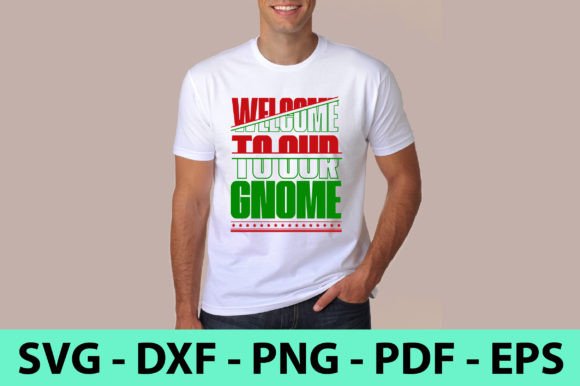
The product description lists five file formats, each serving a different part of your workflow. The SVG file is your primary working asset for scalability and crisp outlines. The PNG image at 300 Dpi with a transparent background is excellent for creating digital mockups, product previews, and Etsy listing images before you have a physical sample stitched. The EPS vector file allows deep editing in professional design software, and the DXF file opens up possibilities for applique base shapes or hybrid projects combining embroidery with heat-transfer vinyl accents. Having a PDF rounds out the package for quick client approvals or print-at-home references. For an embroidery designer, this variety means you can move seamlessly from screen to stitch without hunting for supplemental artwork.
Thread Colors, Fabric Choices, and Stabilizer Notes
When selecting thread colors for Welcome to Our Gnome, I recommend building contrast thoughtfully. The gnome's beard and hat provide natural opportunities to introduce soft whites, creams, warm reds, or muted teals, depending on the seasonal palette you are building. I tested a winter version with ivory beard thread and a cranberry hat, and a spring adaptation with sage green accents on a linen fabric, and both read beautifully. The dark parts of the design, such as the eyes and nose, need strong definition, so consider using a slightly heavier fill stitch in those small areas to prevent them from disappearing on textured fabrics.
Stabilizer choice matters enormously here. On a tote bag or canvas apron, I used a medium-weight cutaway stabilizer and achieved excellent results. For lightweight cotton tea towels, I added a water-soluble topper to prevent the stitches from embedding into the weave. On fleece or sweatshirt material, I increased the stitch density slightly and used a fusible mesh stabilizer behind the fabric to control stretch. Every fabric behaves differently, and I always advise makers to test on scrap fabric first before committing their final blank. This step costs a few minutes and a bit of thread, but it saves you from wasting a premium garment.
Commercial Potential for Small Shops and Etsy Sellers
If you run a craft business, sell on Etsy, or stock handmade product at local markets, Welcome to Our Gnome offers genuine commercial appeal. The design has that sweet spot of uniqueness and familiarity that attracts buyers browsing for personalized gifts, holiday decor, or everyday whimsical accessories. I could see this design anchoring a small product line of embroidered kitchen textiles, baby shower gifts, or teacher appreciation totes. Because the artwork feels warm but not overtly childish, it crosses into multiple buyer demographics easily, from young couples decorating a first nursery to retirees looking for a cheerful garden tote.
For digital product sellers, the high-resolution PNG and editable vector files serve double duty. You can use the graphic to create printable mockups that show customers exactly how their finished embroidered item will look, which builds trust and reduces uncertainty before purchase. The transparent background makes compositing onto product photos fast and professional. For those who sell embroidery digitizing services, having the original artwork in clean vector form allows you to offer a digitized version of Welcome to Our Gnome as part of a commercial embroidery design bundle, provided you confirm licensing terms and respect any usage limitations on the original artwork.
Final Thoughts on Using Welcome to Our Gnome Professionally
After working with Welcome to Our Gnome across several embroidery test pieces and mockup scenarios, I can say this design earns its place in a maker's library. It does not try to do too much visually, and that restraint is precisely what makes it versatile. The shape reads well at common embroidery sizes for t-shirt chest placements and tote bag centers. The mood suits both cozy winter projects and lighter springtime gift items, which extends its seasonal usefulness far beyond what a strictly Christmas motif would allow. For small shop owners, the flexibility to use this artwork as part of a commercial embroidery project, after proper digitizing and testing, adds real value.
Before you list your first finished product or hand-stitch a boutique apron, remember to run your own test on fabric that matches your final blank exactly. Check thread colors under natural lighting, inspect stitch density at the smallest facial details, and wash the item once or twice to see how it holds up. Confirm that your digitized version faithfully captures the gnome's expression without overly dense satin paths that could make the fabric stiff. If you conduct those practical checks, you will likely join me in finding that Welcome to Our Gnome delivers a finished embroidery project that looks cohesive, personable, and ready for a customer's hands.