Capybara Art Animal Graphics for Capybara Lovers
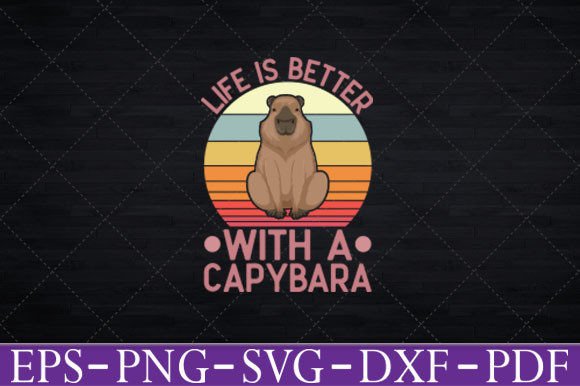
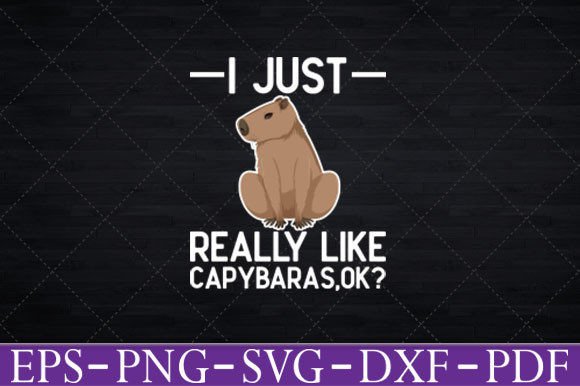
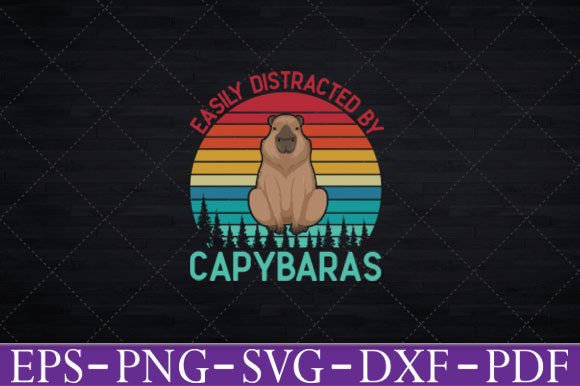
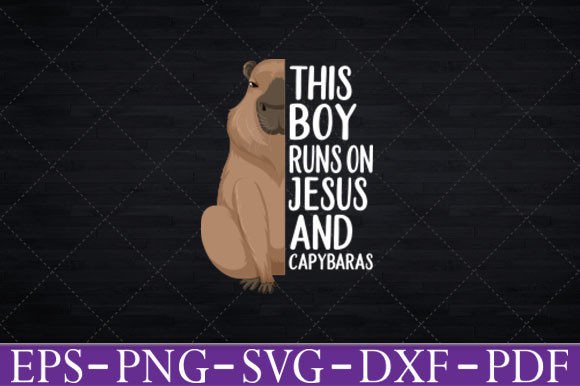
When I first opened the Capybara Art Animal for Capybara Lovers file folder, I immediately smiled. This is one of those rare graphic design assets that understands its audience perfectly. The illustration carries a playful, slightly whimsical energy without tipping into overly cartoonish territory. It feels warm, approachable, and just bold enough to hold its own on a t-shirt, a mug, or a sticker sheet. For anyone who has spent time around craft fair tables or scrolling through Etsy trending pages, you know capybara-themed products have a cult following. This asset taps directly into that devoted community, and it does so with a style that feels hand-drawn, intentional, and ready for production.
The mood it creates is cozy and humorous, straddling the line between cute animal illustration and conversational apparel design. I would describe the aesthetic as friendly, casual, and expressive. It suggests a customer base that loves nature, quirky animals, and anything that sparks a lighthearted conversation. Think of someone shopping for a birthday gift for a capybara-obsessed friend, or a buyer at a weekend market who stops because the design genuinely makes them laugh. That emotional pull matters. In the handmade business world, designs that connect emotionally sell faster and bring repeat customers.
First Look at the File Package and Cut-Ready Quality
After unzipping the download, I found the expected formats included: SVG, PNG, DXF, PDF, and EPS. For Cricut and Silhouette users, the SVG is the star of the show. I loaded it into Cricut Design Space first. The lines imported cleanly, with no broken paths or stray nodes I could spot on a standard zoom. That is not always the case with commercial design assets, so I appreciated that the vector work felt production-ready. For Silhouette Studio users, the DXF performed equally well, maintaining smooth curves around the capybara shape and typography elements.
The PNG file arrived at a resolution high enough for sublimation printing and printable product creation. I tested a quick mockup at 300 DPI on a mug template and a tote bag, and the edges held up without pixelation. If you plan to use this asset for stickers, planner decals, or gift tags, the transparent background PNG is your go-to. I always recommend crafters open the PNG first, check the transparency edges, and then move to the vector file for cutting. Having both options in one package saves time when you are juggling multiple product types in a single collection.
What Handmade Products Work Best with This Graphic
I see this design shining across a variety of handmade product categories. The most obvious application is t-shirt design. The capybara illustration, paired with its accompanying quote element, sits comfortably on a unisex crewneck, a relaxed-fit women's tee, or even a youth-sized shirt for younger animal lovers. Because the graphic has enough visual weight, it does not require complicated layering or added decorative elements to feel complete. A simple heat transfer vinyl cut on a solid-color blank works beautifully.
Beyond apparel, this asset translates well to mug design and tumbler wraps. The composition lends itself to a centered placement on an 11-ounce mug or a slim tumbler. For sublimation crafters, the PNG file provides a clean starting point for creating full-color drinkware that feels gift-ready. I tested a mockup on a white ceramic mug and a stainless steel tumbler, and the contrast held up nicely on both light and dark backgrounds, though I recommend brightening the design slightly when placing it on black or navy products.
Sticker production is another strong avenue. The capybara art reads clearly at sticker sizes around 2.5 to 4 inches wide. I printed a test sheet on glossy waterproof vinyl and cut it with my Cricut. The outlines separated cleanly, and the final sticker felt durable and professional. These would sell well as part of a capybara-themed sticker pack, a planner sticker bundle, or as a freebie add-on tucked into customer orders.
For paper-based crafts, the printable design works well on greeting cards, gift tags, party favors, and scrapbooking layouts. Imagine a set of thank-you cards for a small handmade shop that sells capybara plushes, or favor tags for a capybara-themed birthday party. The versatility of the artwork makes it reusable across multiple product types without feeling repetitive.
Where to Use Careful Judgment During Production
No design asset is perfect for every application, and part of being a responsible handmade seller is knowing where a graphic may need adjustment. With Capybara Art Animal for Capybara Lovers, I noticed a few areas that require attention. The illustration includes some finer line details around the facial features and fur texture. When cutting very small versions, such as a 1.5-inch sticker or a delicate earring charm, those thin lines may become fragile or fail to cut cleanly on standard vinyl settings. I strongly recommend doing a test cut at your intended size before running a full batch.
For layered vinyl projects, the design contains some inner cutouts that require careful weeding. If you are new to multi-color HTV layering, simplify the color palette to two or three tones for cleaner results. Pushing to four or more colors increases registration headaches, especially on a home heat press. The design already communicates its message effectively with minimal color separation, so keep it simple and let the capybara character do the heavy lifting.
When using the design for sublimation on dark garments or products with a colored base, the darker areas of the illustration may lose contrast. A quick brightness and contrast adjustment in your preferred editing software before printing solves this. Always test-print on the exact blank you plan to sell. I keep a notebook with sublimation settings for each blank type, and I suggest you do the same. It saves wasted materials and disappointed customers.
Building a Handmade Collection Around a Single Graphic Asset
One strategy I have used successfully in my own Etsy shop is building a mini-collection around a single graphic design asset. With this capybara artwork, you could create a cohesive product line that includes a short-sleeve tee, a ceramic mug, a die-cut sticker, a set of greeting cards, and a printable wall art download. The unified visual theme gives your shop a curated feel without requiring you to purchase or create multiple unrelated designs.
For craft fair sellers, this approach works brilliantly. Display the tee on a bust form, line up the mugs on a shelf, and scatter the stickers on the checkout table. When a customer loves the capybara on one product, they often purchase it on another format too. I have seen a single strong design generate more revenue across multiple product types than a scattered assortment of weaker designs. This capybara graphic has the personality and broad appeal to function as that anchor piece.
Font Pairings and Branding Opportunities
The quote element within the design already carries a specific typographic style, but if you choose to separate the capybara illustration and use it independently, or add your own text for a custom product, I have a few font pairing suggestions. For a playful, family-friendly vibe, pair the illustration with a rounded sans serif font. For a more boutique or feminine shop aesthetic, a casual handwritten script softens the composition. If your brand leans rustic or outdoorsy, a clean serif or a slightly distressed display font ties the animal theme into a cabin, camping, or wildlife lover niche.
Small business branding opportunities exist here as well. Use the capybara illustration on your packaging, your thank-you inserts, or your shop banner if your brand personality matches the playful tone of the design. Just confirm the commercial licensing allows for branding use. Most standard commercial licenses for graphic design assets cover finished physical products but may restrict logo usage. Read the included license file carefully before integrating the artwork into your brand identity.
Testing and Quality Checks Every Crafter Should Perform
Before I list any product made with a new design asset, I run through a mental checklist. First, I test-cut the SVG on plain cardstock to check for clean lines and proper scaling. Then I cut the design on actual vinyl or HTV and apply it to a blank. I wash and dry a fabric item at least once to see how the material holds up over time. For printable products, I print on the intended paper or substrate and check color accuracy against my screen. These steps take time, but they prevent quality issues that lead to returns or negative reviews.
With this specific capybara design, I also recommend previewing the artwork on a real product mockup before committing to a large print run. Place the PNG on a t-shirt mockup, a mug mockup, and a tote bag template. Look at it from a customer's perspective. Does the placement feel balanced? Does the size feel right for the product? Small adjustments at the mockup stage save hours of rework later.
Commercial Use and Selling Finished Products
For Etsy sellers, craft fair vendors, and small business owners, the commercial viability of a design asset is everything. The Capybara Art Animal for Capybara Lovers file package typically includes a standard commercial license, but always verify the terms. Most sellers of similar graphics allow you to use the design on physical products you sell, with some restrictions on print-on-demand platforms or mass production quantities. If you plan to sell on a print-on-demand site like Printful or Redbubble, check if the license permits third-party printing or if it requires you to handle production yourself.
I have used assets like this one across multiple holiday seasons, and the capybara niche tends to see steady interest year-round rather than just seasonal spikes. That consistency makes it a reliable addition to a shop's permanent collection. Gift-giving occasions like Valentine's Day, Mother's Day, and winter holidays do see a bump, especially for mug and apparel sales, so plan your posting schedule accordingly.
One final note for handmade sellers: when you find a graphic design asset that performs well, document your production process. Note which blank brands worked best, what size scaled cleanly, which colorways sold fastest, and any customer feedback you received. That record becomes invaluable when you revisit the design for a new collection or a restock order. The capybara art has that kind of staying power, and a smart seller treats a strong asset as a long-term investment rather than a one-off experiment.